🚧 This site is actively being updated. Some sections are still in progress. 🚧
Trimester 1
Introduction to Engineering Design
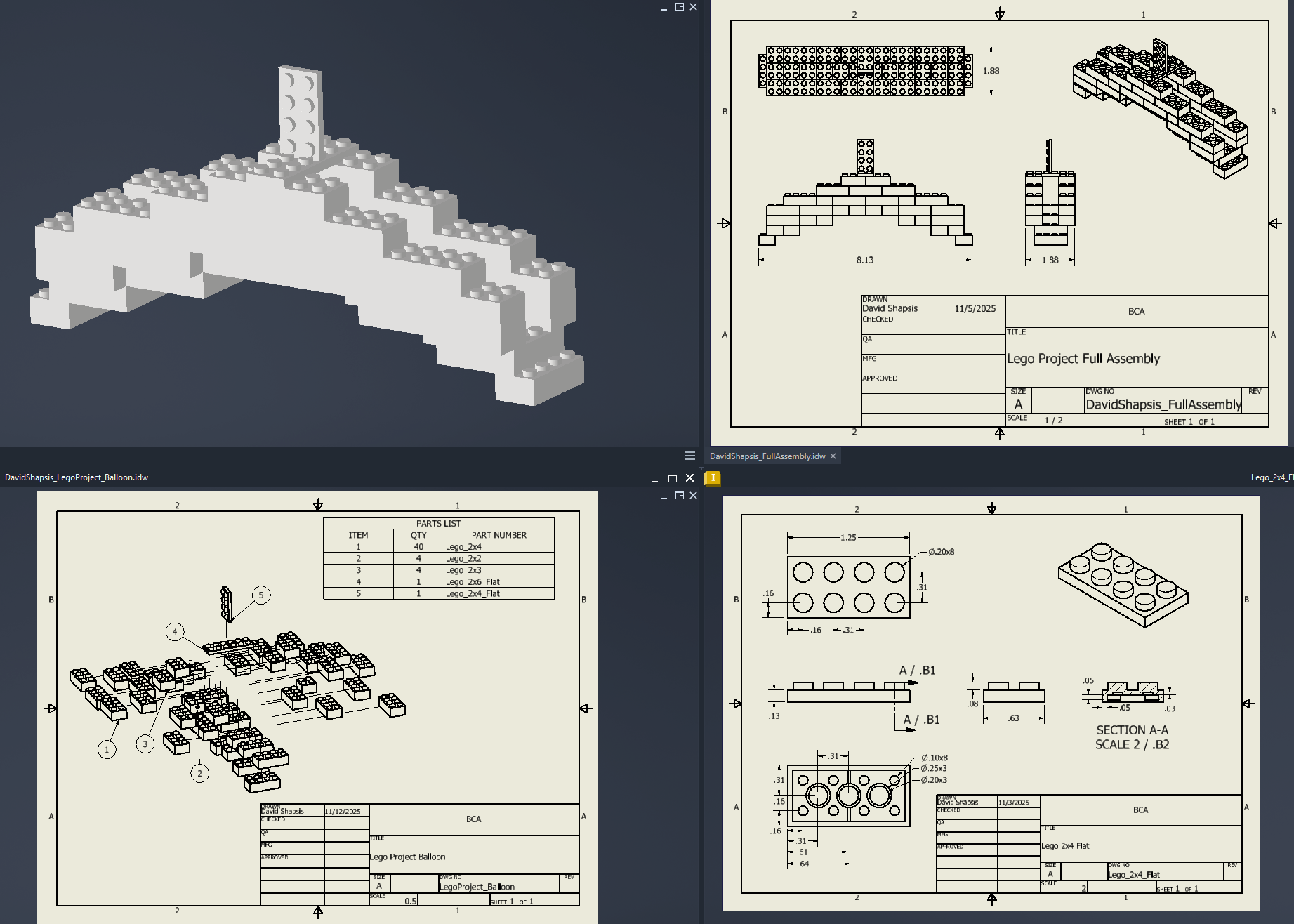
Foundation of the engineering sequence. Covered the full design process — problem framing, ideation, prototyping, and iteration. Heavy emphasis on technical drawing and Autodesk Inventor CAD.
Trimester 2
Makerspace
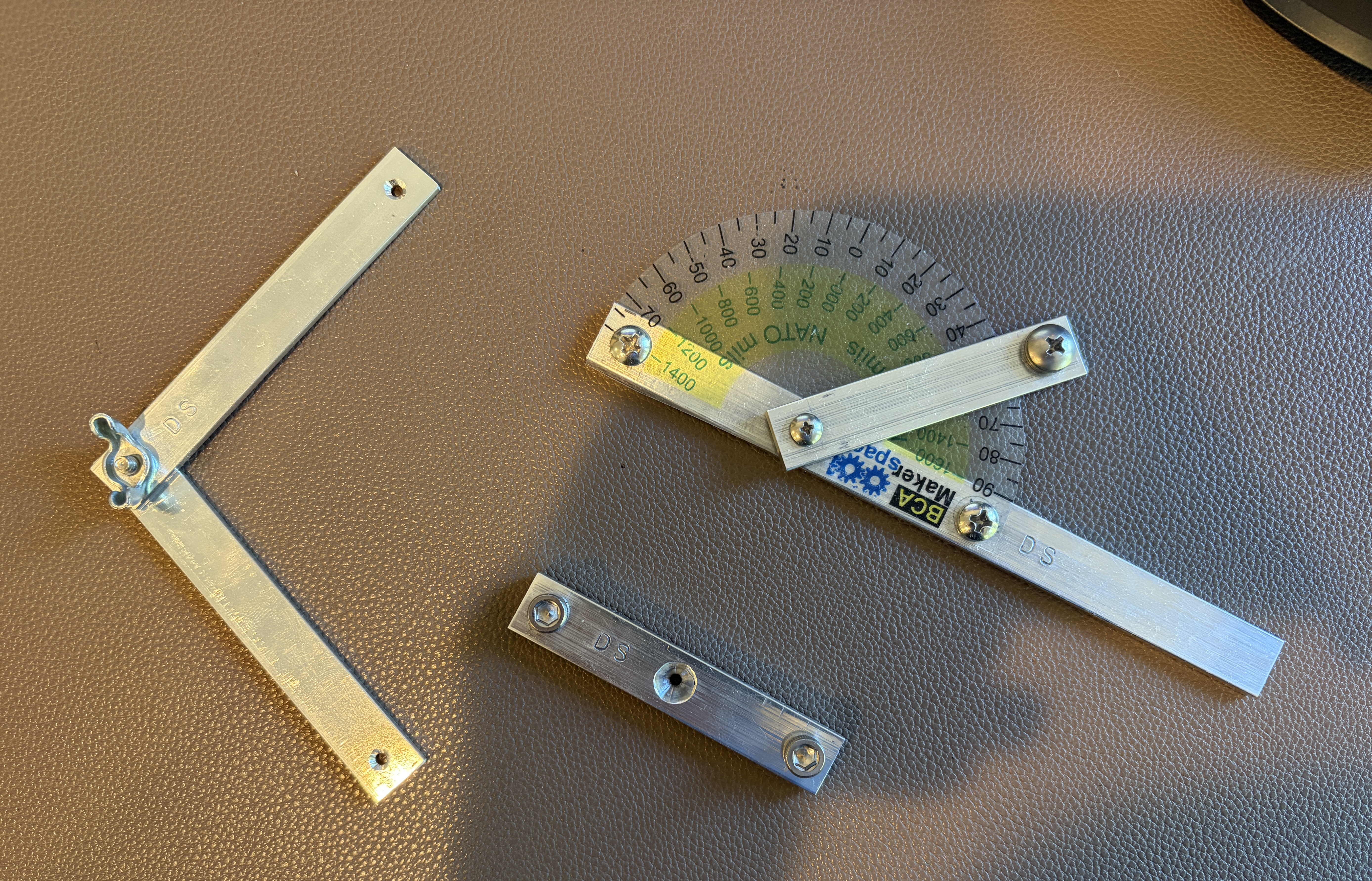
Fabrication course centered on the school makerspace. Trained on oscillating sander, band saw, drill press, laser cutter, CNC mill, and hand tools. Projects focused on producing functional, utilitarian parts.
Trimester 3
Electronics
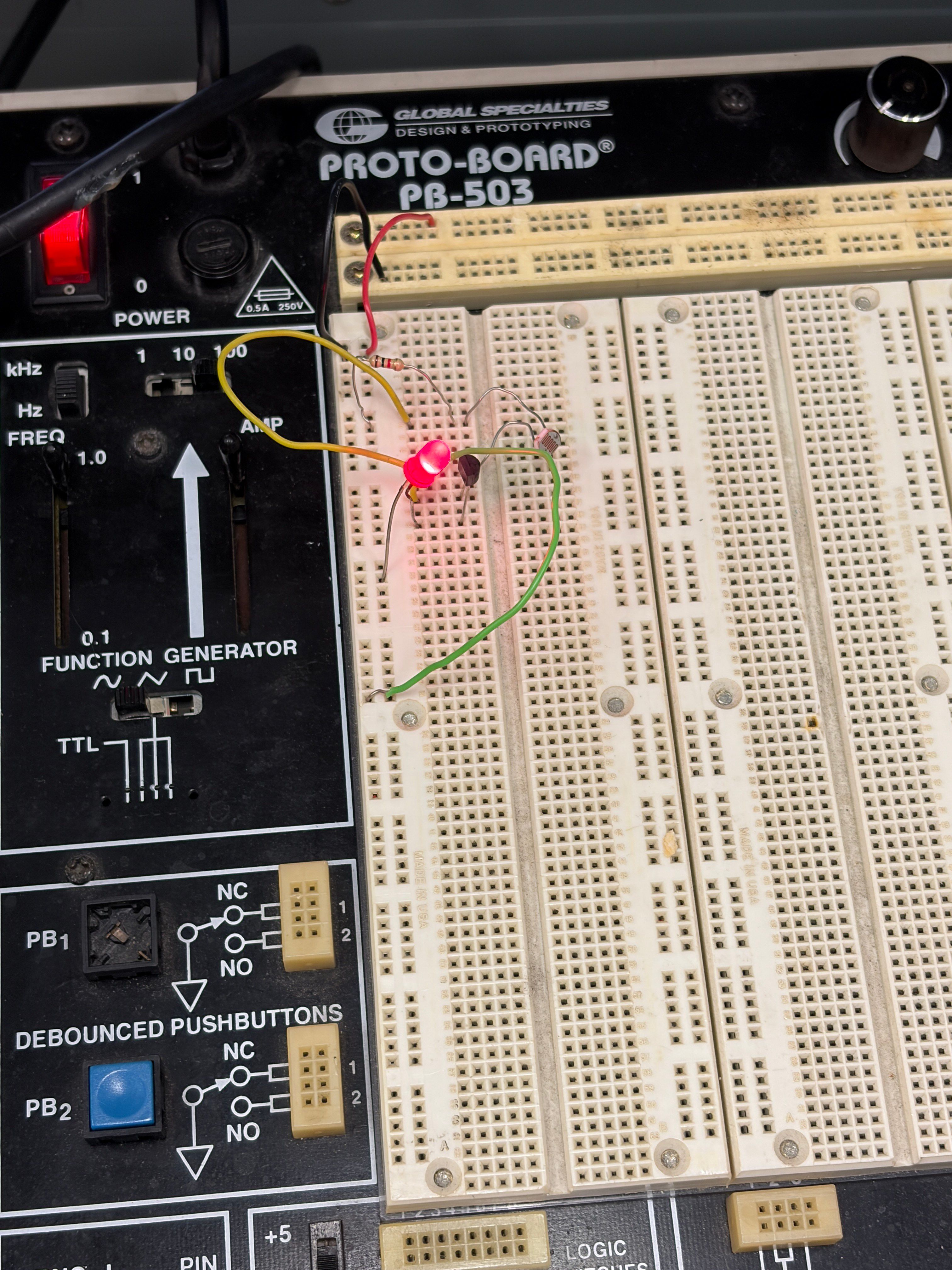
Fundamentals of electronic components including TIP120 transistors, 555 timers, inductors, transducers, resistors, capacitors, LEDs, diodes, and motors. Iterative lab work building practical circuit-building skills.

Trimester 2
Mechatronics Research
Established research direction, studied innovation methodology, wrote a research plan, conducted patent searches, drafted an abstract, and compiled an initial parts list. Settled on a quadrupedal robot as the primary project.
Trimester 3
Mechatronics Research
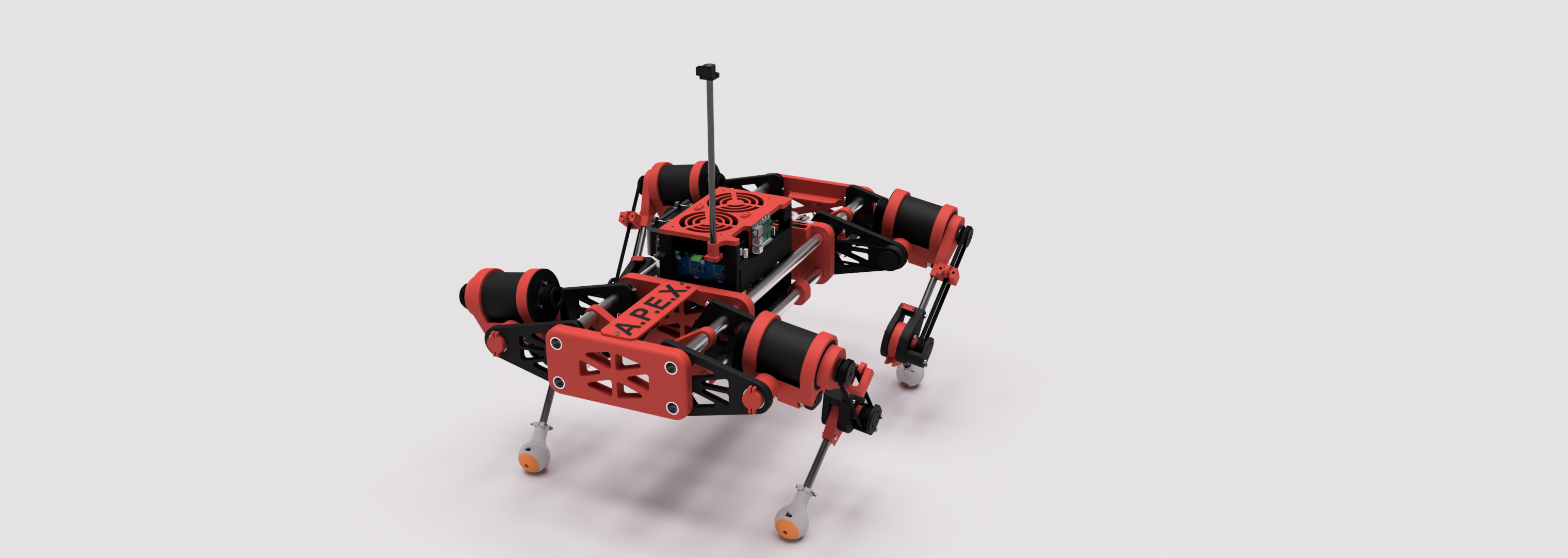
Full CAD development of APEX through repeated design iterations. Refer to the Projects page for full documentation.
Trimester 2
Alternative Energy
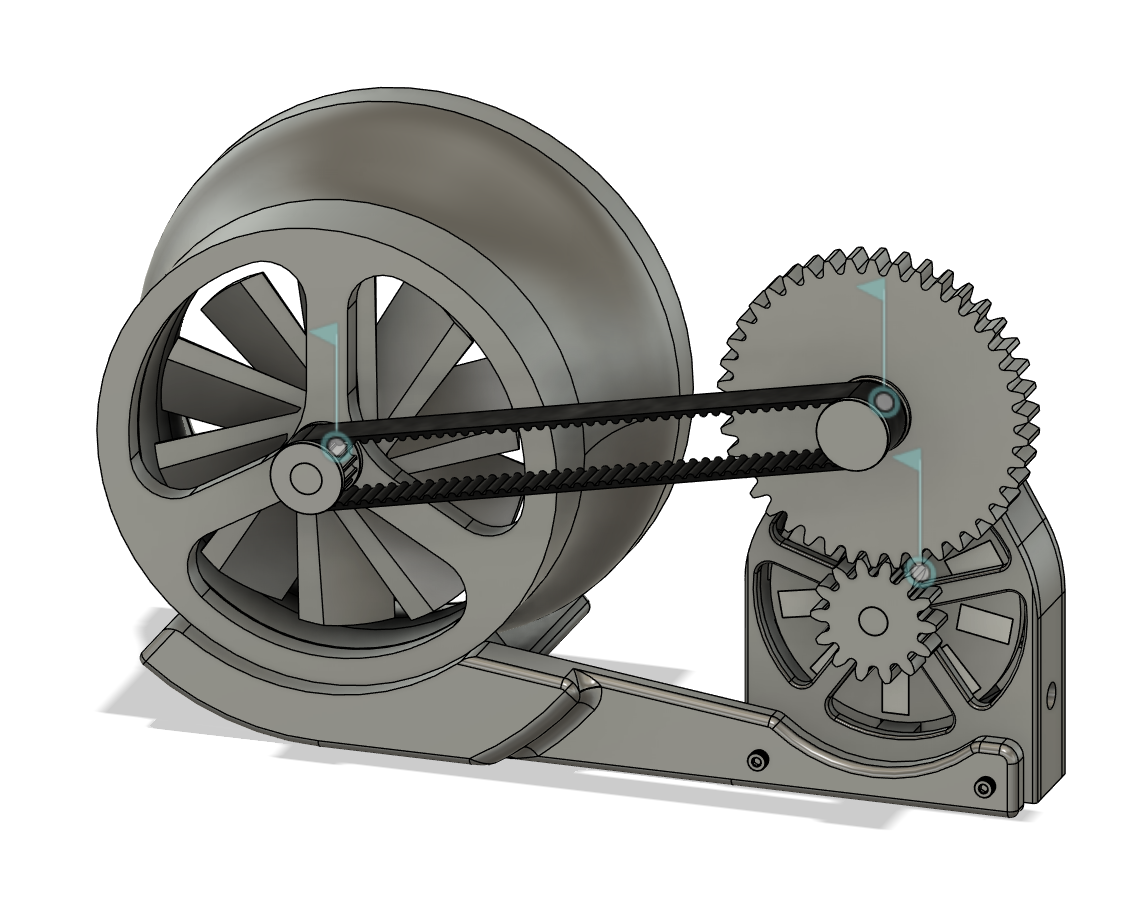
Designed and built a spinning magnet rotor generator connected to a wind turbine. Generator produced voltage but output was limited by hand-wound coils.

Trimester 3
Rocketry
Designed a custom water rocket with optimized nose cone and fin geometry. Used Autodesk CFD to run drag simulations, achieving a drag coefficient of 0.22.

Trimester 1-3
Foundations of Computer Science (Java)
Three trimesters covering Java fundamentals through intermediate topics. Projects included Plinko, Sky Intruders, and a physics-based bouncing ball simulation.