🚧 This portfolio is currently under active construction. Some sections are being updated!
PROJECT 01

APEX

Autonomous Precision Exploration

ROS 2 Raspberry Pi 5 RP2040 3D Printed

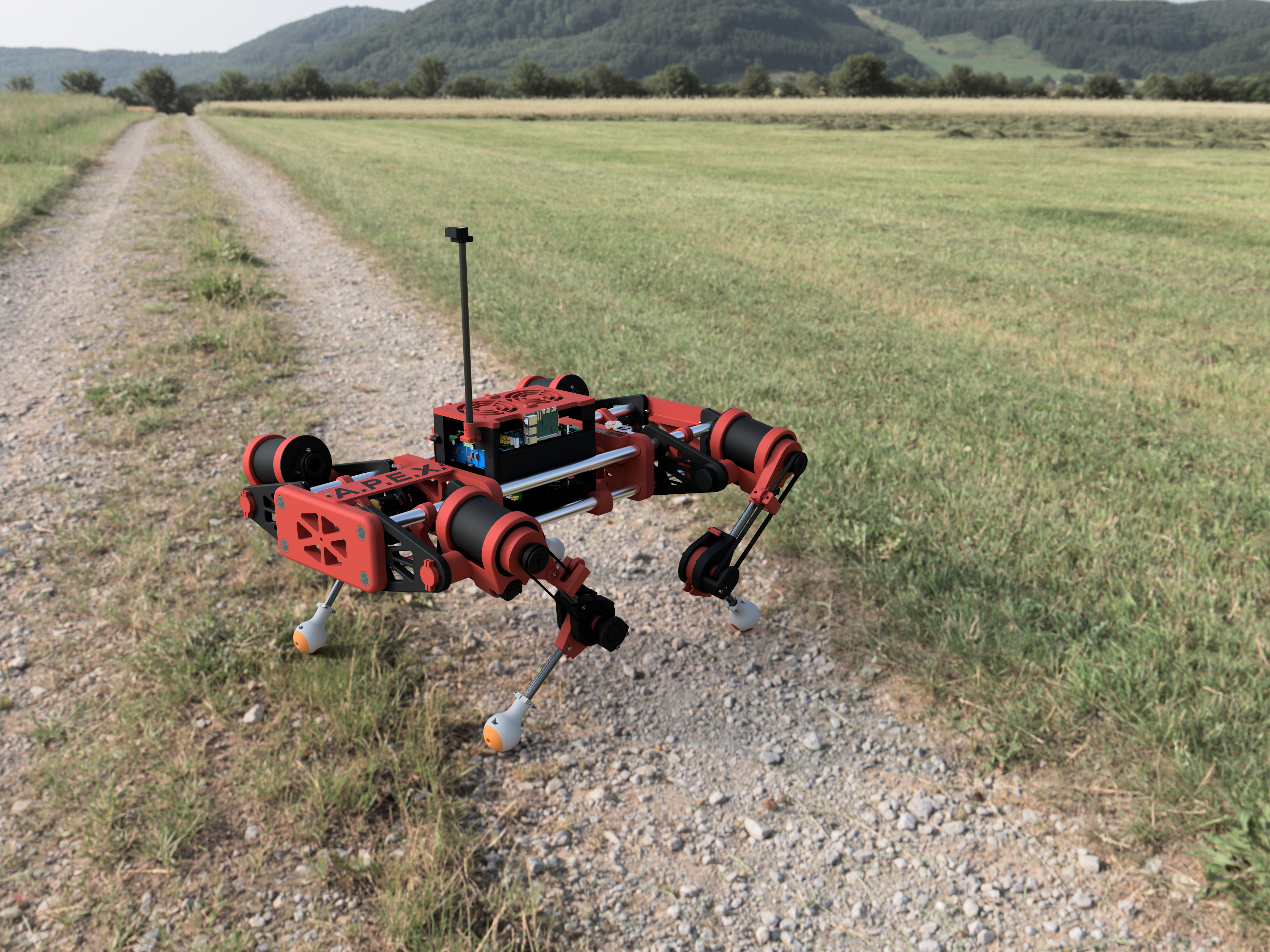
What is APEX?

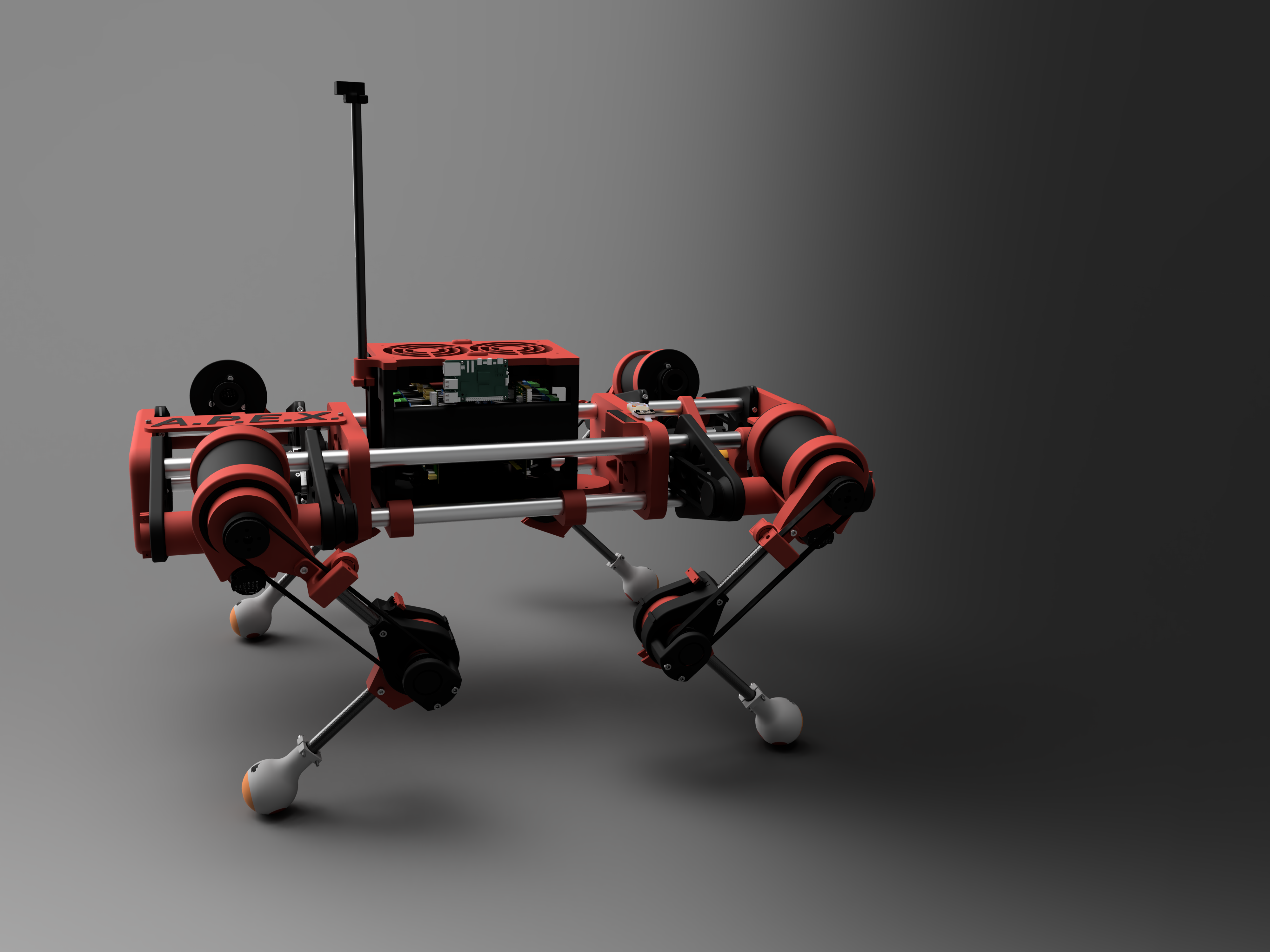
APEX is a fully custom quadruped robot dog built entirely from the ground up — frame, electronics, firmware, and software stack included. It runs ROS 2 on a Raspberry Pi 5 as the main compute unit, with four dedicated RP2040 Pico microcontrollers handling per-leg PID control at low latency. The goal is a capable autonomous platform that can navigate uneven terrain and eventually carry a sensor payload.

APEX Overview

Key Components

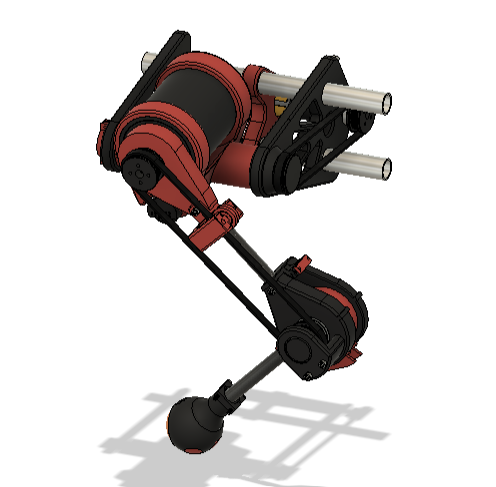
APEX Leg
3 DOF High-Torque Legs

Each of APEX's four legs has three independently controlled joints — hip roll, hip pitch, and knee — giving the robot twelve degrees of freedom in total. Every joint is driven by a GoBilda planetary gear motor with a 99.5:1 reduction ratio, delivering high torque at low speed for precise, powerful movement across uneven terrain.
APEX Electronics
Custom PCB & Enclosure

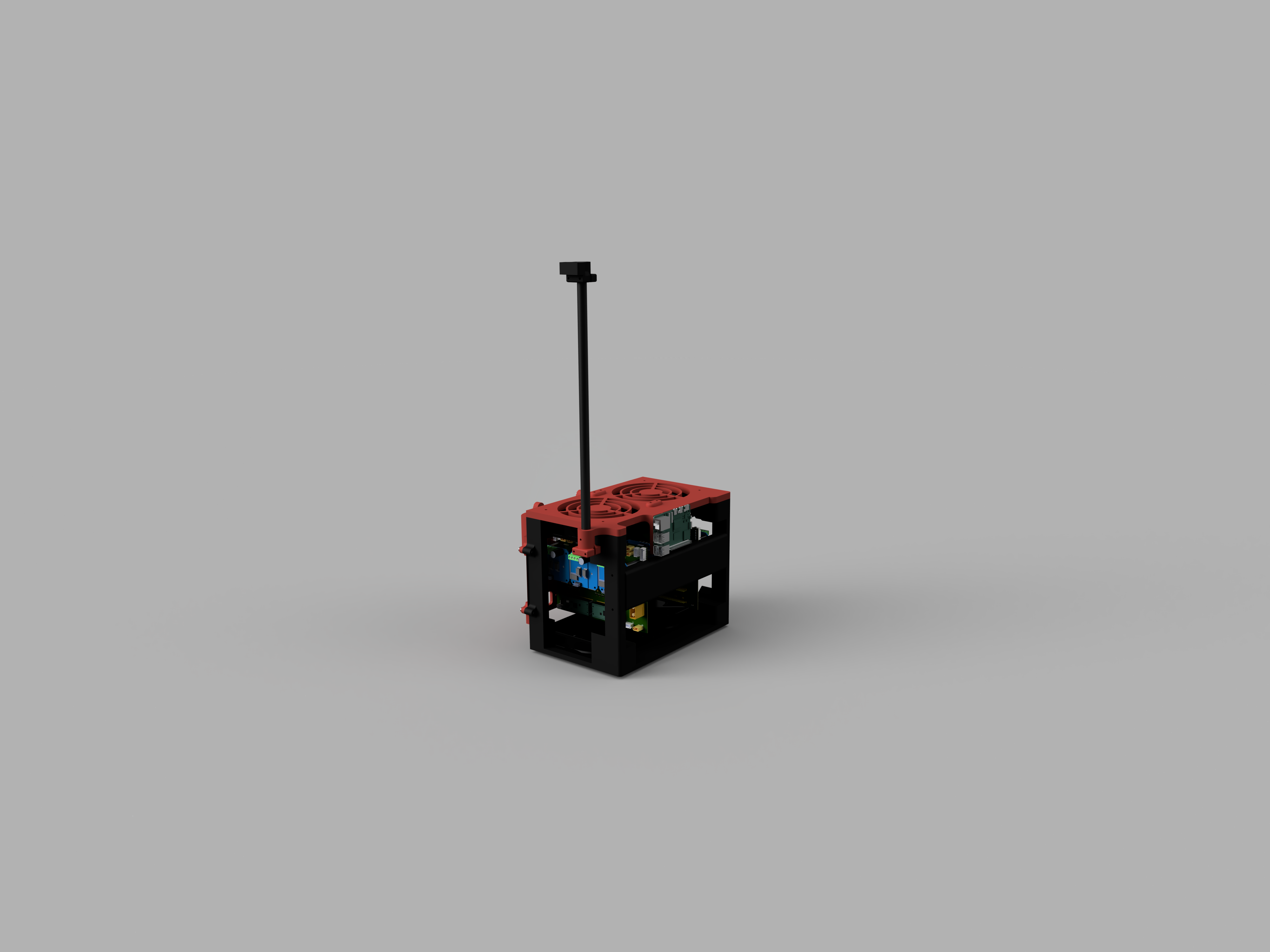
Rather than a tangle of wires and breadboards, APEX uses a custom-designed PCB to manage power distribution and signal routing across all twelve motor controllers. The board is designed to handle the high current demands of running twelve motors simultaneously while keeping the electronics compact and reliable. Additionally, the dual boards are housed in an enclosure designed for optimal portability, modularity, simplicity, and functionality.
APEX Code Repository
Open-Source Code Repository

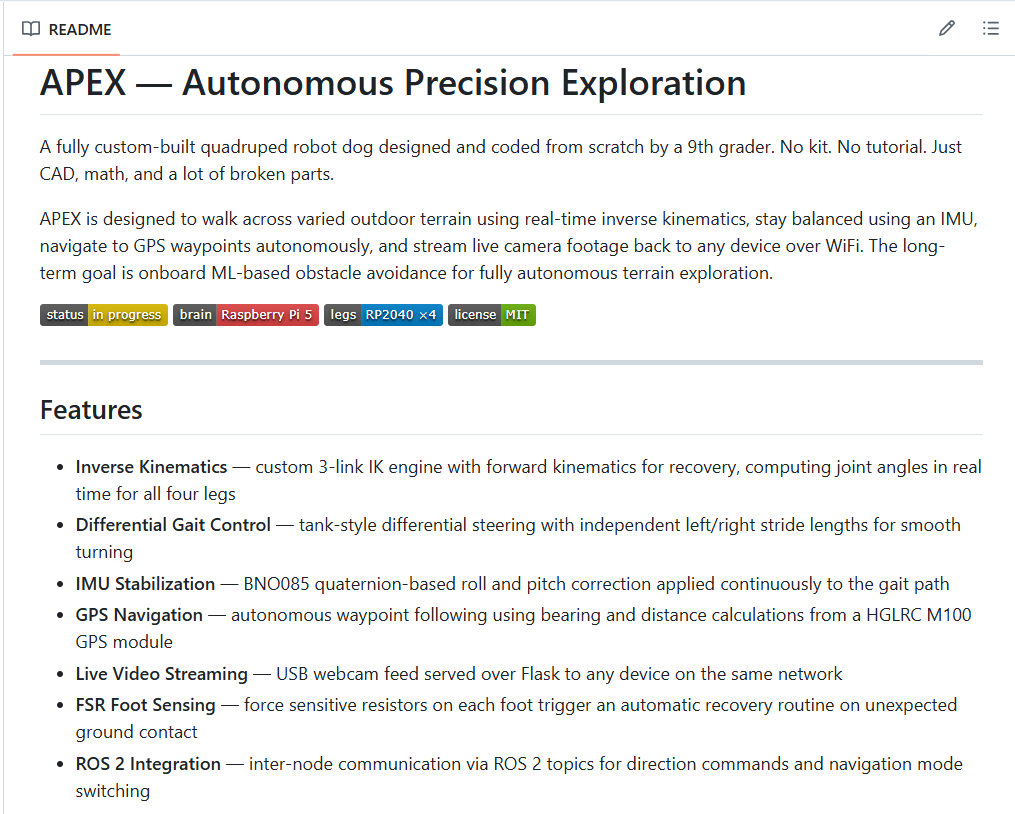
All of APEX's software is publicly available on GitHub. The full codebase covers inverse kinematics, gait generation, PID motor control, IMU stabilization, GPS navigation, and live camera streaming. The CAD will be published once the build is complete. The goal is for APEX to be a real reference that other students can actually build on without starting from zero.

APEX ROS 2
ROS 2

APEX runs on ROS 2, using its publish-subscribe architecture to handle communication between the robot's major systems. Navigation commands, joint targets, and operating mode changes are all passed between nodes over typed topics, keeping each subsystem decoupled and independently manageable. A multi-threaded executor runs the controller and stream server nodes in parallel, allowing the gait loop, camera stream, and telemetry monitoring to all operate concurrently without blocking each other. Using ROS 2 also sets the foundation for future expansion — adding new sensors, a SLAM module, or an ML-based perception node becomes a matter of writing a new node and connecting it to the existing topic graph rather than rewiring the entire codebase.
APEX Chassis
3D Printed Chassis

The majority of APEX's structural components are 3D printed in carbon fiber reinforced PETG, chosen for its combination of stiffness, impact resistance, and printability. The parts were designed specifically for FDM manufacturing, with wall thicknesses, infill, and orientations optimized for the load paths each component experiences during walking.

[ Battery / Power Photo ]
Power System

LiperiAir 5000mAh 3S 80C LiPo provides main power, Liperior 3500mAh 2S 25C LiHV provides power for the 5v circuitry. Charged with a Gens Ace D300 dual-channel charger.
APEX GPS
GPS-based Guidance

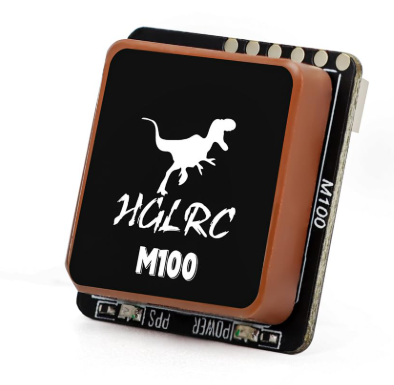
In autonomous mode, APEX uses a HGLRC M100 GPS module and an onboard compass to navigate to real-world waypoints. The navigation system computes a bearing from the robot's current coordinates to the target, calculates the heading error, and feeds a turn command into the gait controller to steer the robot in the right direction. It is the foundation for the fully autonomous outdoor navigation planned for future development.
APEX Inverse Kinematics
Inverse Kinematics

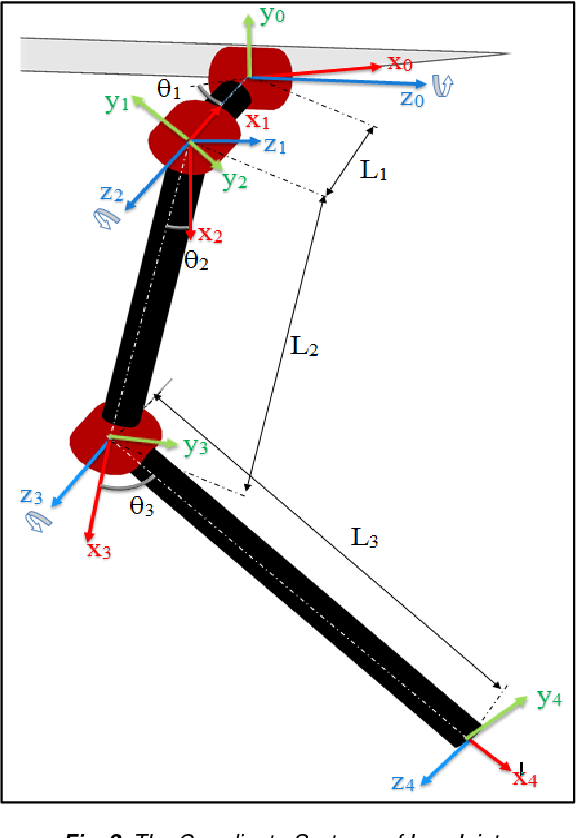
Rather than manually specifying motor angles, APEX uses a custom inverse kinematics engine to compute the correct joint angles for any given foot position in 3D space. Given a target X, Y, Z coordinate for the foot, the IK solver works backwards through the leg geometry to find the exact roll, pitch, and knee angles needed to put the foot there. This runs in real time across all four legs on every step, and is what makes smooth, adaptable walking possible.

PROJECT 02

GoKart

Fully Functional Gas GoKart Designed for Looks and Performance

Fabrication CAD Design 3D Printing

About This Model

A custom engineered, high-performance gas go-kart designed to balance aesthetic appeal with rugged structural reliability.

My role in this project has been primarily focused around the CAD design and 3D Printing of the various parts of the GoKart. However, I have also been an active part of the fabrication progress and hands-on assembly. Below are the design highlights and subsystems I personally engineered.

GoKart Overview

Key Components

GoKart Brake
Custom Brake

Engineered a highly responsive braking system optimized for heat dissipation and reliable stopping power. The brake assembly was carefully modeled to integrate seamlessly into the tight clearances of the rear axle drivetrain.

GoKart Front Spoiler
Custom Front Spoiler

Designed a custom aerodynamics-inspired front body wing using 3D CAD modeling. The spoiler was optimized for functional impact-resistance and split into modular components for easier 3D printing and assembly.

GoKart Rear Fins
Rear Fins

Modeled aggressive rear stabilizer fins that add a polished, racing-inspired aesthetic profile to the vehicle's trailing edge while maintaining clear safety tolerances away from high-temperature exhaust paths.

PROJECT 03

RoboArm

4-DOF Robotic Arm

Servo Control CAD 3D Printed Inverse Kinematics

What is RoboArm?

RoboArm is a 4 DOF robotic arm designed and fabricated entirely in-house. It's capable of pick-and-place tasks, basic sorting operations, and teleoperated manipulation. The whole arm is controlled by an Raspberry Pi Pico running custom inverse kinematics firmware with a remote running off of a NRF52840.

RoboArm Overview

Key Components

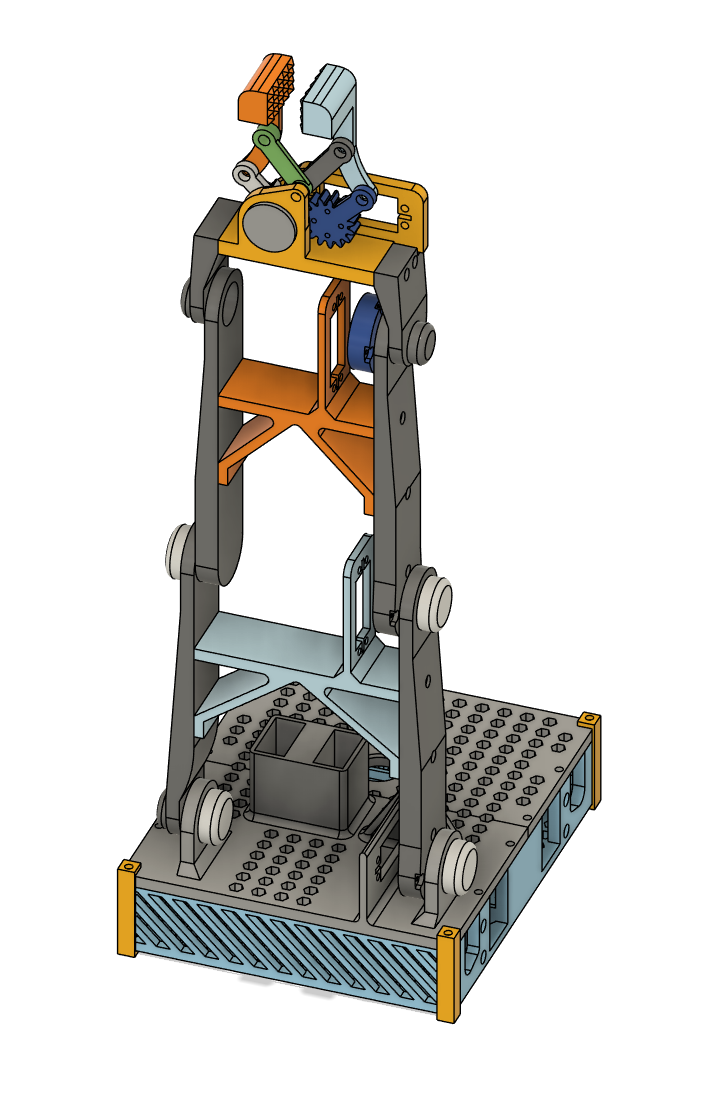
RoboArm CAD
Fully CAD-Designed

Every single millimetric detail of the robot was engineered from the ground up using advanced 3D CAD modeling. The full virtual assembly integrates the complex multi-axis arm, the intricate 4-bar linkage of the claw, and the heavy-duty chassis plate. By simulating clearances, pivot points, and hardware tolerances before a single part was manufactured, the design ensures seamless mechanical fitment and zero structural play.

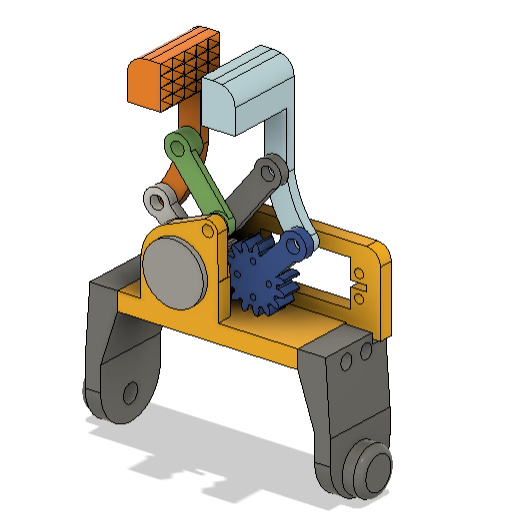
RoboArm Claw
End Effector

At the business end of the arm is a highly optimized, servo-driven 4-bar linkage claw. This mechanical geometry ensures that the claw jaws remain perfectly parallel throughout their entire gripping range, maximizing surface contact with target objects. Powered by a high-torque servo, the mechanism multiplies gripping force while minimizing power consumption, creating a lightweight yet incredibly secure end effector capable of handling diverse objects with ease.

RoboArm Mecanum Wheels
Mecanum Wheels

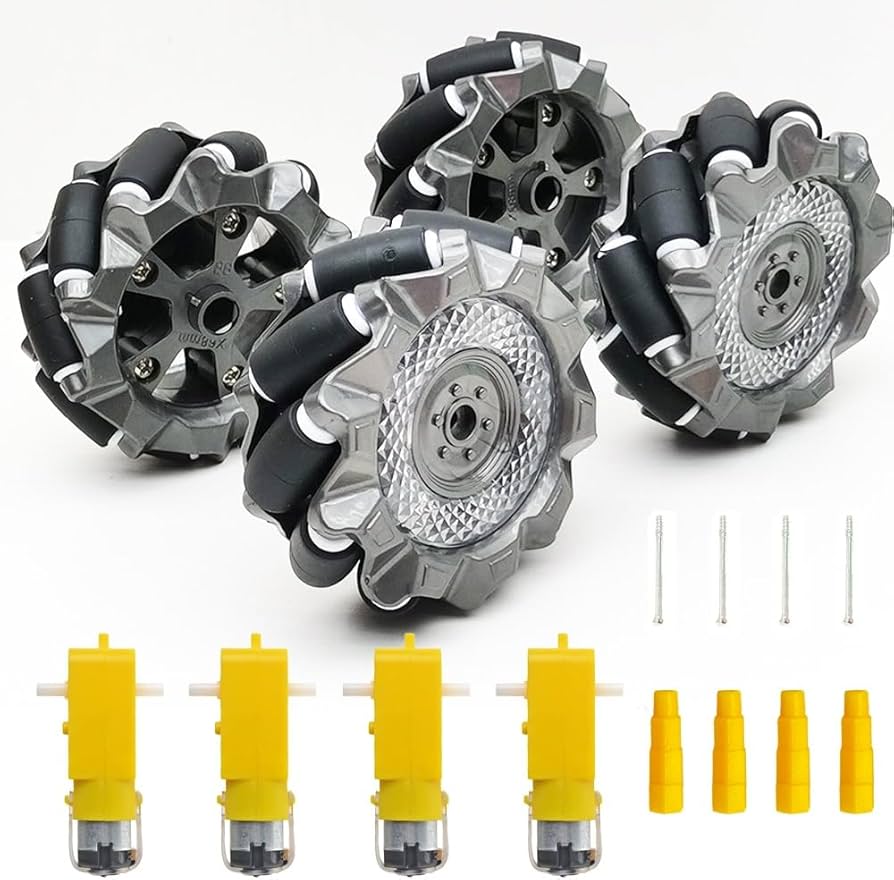
For unparalleled agility, the chassis is equipped with heavy-duty Mecanum wheels driven by independent motors. By utilizing angled peripheral rollers around the circumference of each wheel, the platform can vector force in multiple directions simultaneously. This allows the chassis to achieve true omnidirectional movement—enabling side-to-side strafing, diagonal pivoting, and tight rotation in confined spaces without needing to turn its nose first.

RoboArm IK
Inverse Kinematic Model for Precision

Operating a multi-segment robotic arm requires more than just guessing motor angles. The robot utilizes a custom inverse kinematics (IK) engine that maps the exact 3D coordinate space of the target. By calculating the geometry of the two-segment arm in real time, the IK solver instantly translates a desired X, Y, Z destination into precise angular commands for the joint servos, ensuring fluid, straight-line paths and pinpoint accuracy during manipulation tasks.

RoboArm Power System
Long-Lasting and Reliable Power System

To sustain the simultaneous demands of a high-torque omnidirectional drivetrain and multiple high-draw servos, the robot features a robust, high-capacity power distribution network. Optimized for maximum thermal efficiency and low voltage sag, the system utilizes intelligent regulation to deliver clean, isolated power to the logic controllers while maintaining a steady, high-current reservoir for the motors. The result is extended operational runtimes and rock-solid reliability during continuous testing.

PROJECT 04

Engine/Transmission Model

Functional Scale Mechanical Model

CAD 3D Printed Mechanical Design

About This Model

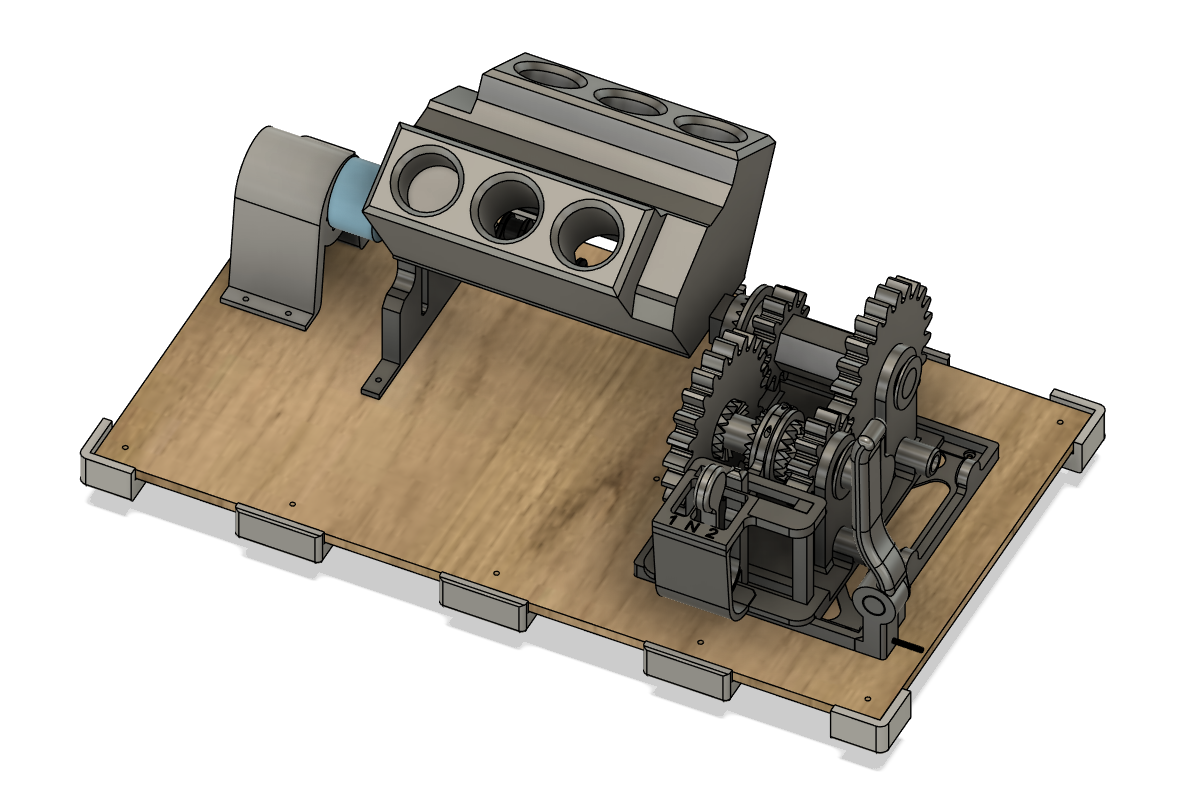
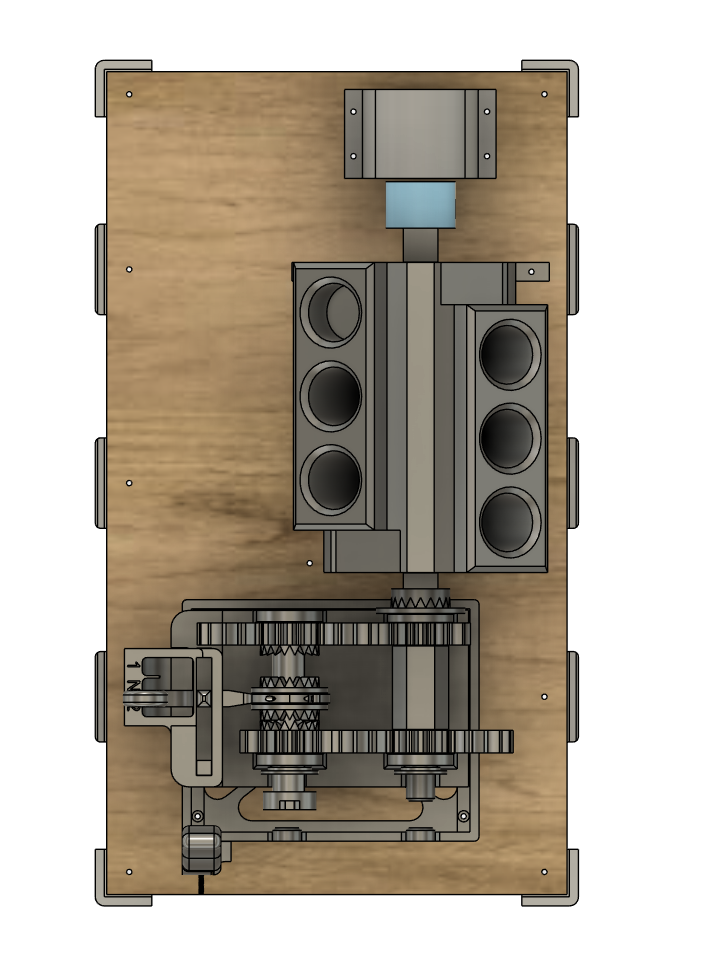
A scale functional model of a V8 engine paired with a 2-speed manual transmission. All pistons, connecting rods, crankshaft, camshaft, and gear selector are fully operational — turn on the DC motor, which simulates running the engine, and watch every component cycle through its motion. Modeled entirely in Fusion 360 and printed in PLA with manufacturing tolerances in mind.

This project grew out of wanting to truly understand how an engine and gearbox work together mechanically. Building it forced me to learn primarily about the various components of a transmission including the clutch and selector as well as different designs of transmissions.

Engine/Transmission Overview

Key Components

Engine/Transmission CAD Design
Fully CAD-Designed

Every phase of this mechanical assembly was engineered from scratch in Autodesk Fusion to replicate real-world automotive architecture. The complete digital twin integrates the reciprocating engine components, a functional friction-style clutch, and a selectable two-speed gearbox into a single cohesive system. Designing the assembly digitally allowed for precise motion-linking and interference checking, ensuring that moving parts interact exactly as intended before sending them to the 3D printer.

Engine/Transmission Components
Many Components

This model moves away from simplified, single-piece representations to embrace true mechanical complexity. It features dozens of individual components—including a segmented crankshaft, connecting rods, pistons, clutch plates, shift forks, and a variety of custom-keyed gears. The sheer number of interacting parts replicates the intricate nature of real powertrain engineering, resulting in a dense, visually captivating, and highly detailed final assembly.

Engine/Transmission Tolerances/DFM
Tight Tolerances & Design for Manufacturing

Bringing a highly dynamic, multi-part mechanism to life using 3D printing requires strict adherence to Design for Manufacturing (DFM) principles. Every component was modeled with real-world FDM print tolerances in mind, optimizing slicing orientations, wall thicknesses, and structural infills. The result is a smooth-running system with incredibly tight tolerances—eliminating excessive play in the gear mesh and linkages while ensuring components slip together perfectly straight off the print bed.

Engine/Transmission Functional/Educational Model
Functional/Educational Model

Mounted on a sleek, clear acrylic baseplate for maximum visibility, this model serves as a powerful, transparent look into automotive physics. Driven by a controllable DC motor, users can visually trace the flow of mechanical power in real time. From the reciprocating motion of the pistons, through the manual engagement and disengagement of the clutch, to the physical shifting of gear ratios in the two-speed transmission, it transforms complex mechanical engineering concepts into an interactive, highly educational experience.